The National Tyre Distributors Association (NTDA) has published its most comprehensive tyre safety survey to date — and the results are a wake-up call for motorists, businesses, and policymakers across the UK.
A Quarter-Century of Change
The new TyreCheck 2025 campaign builds on the original 2000 study, which first exposed the dangers of illegal and damaged tyres. Back then, 10% of tyres checked were already below the legal minimum tread depth of 1.6mm. Fast forward 25 years, and the latest study inspected over 58,000 vehicles across nine UK regions — the largest dataset of its kind.
The good news? Outright illegal tyres have dropped to 7.7% of vehicles. The bad news? A new problem is rising fast.
The Rise of the “Barely Legal” Tyre
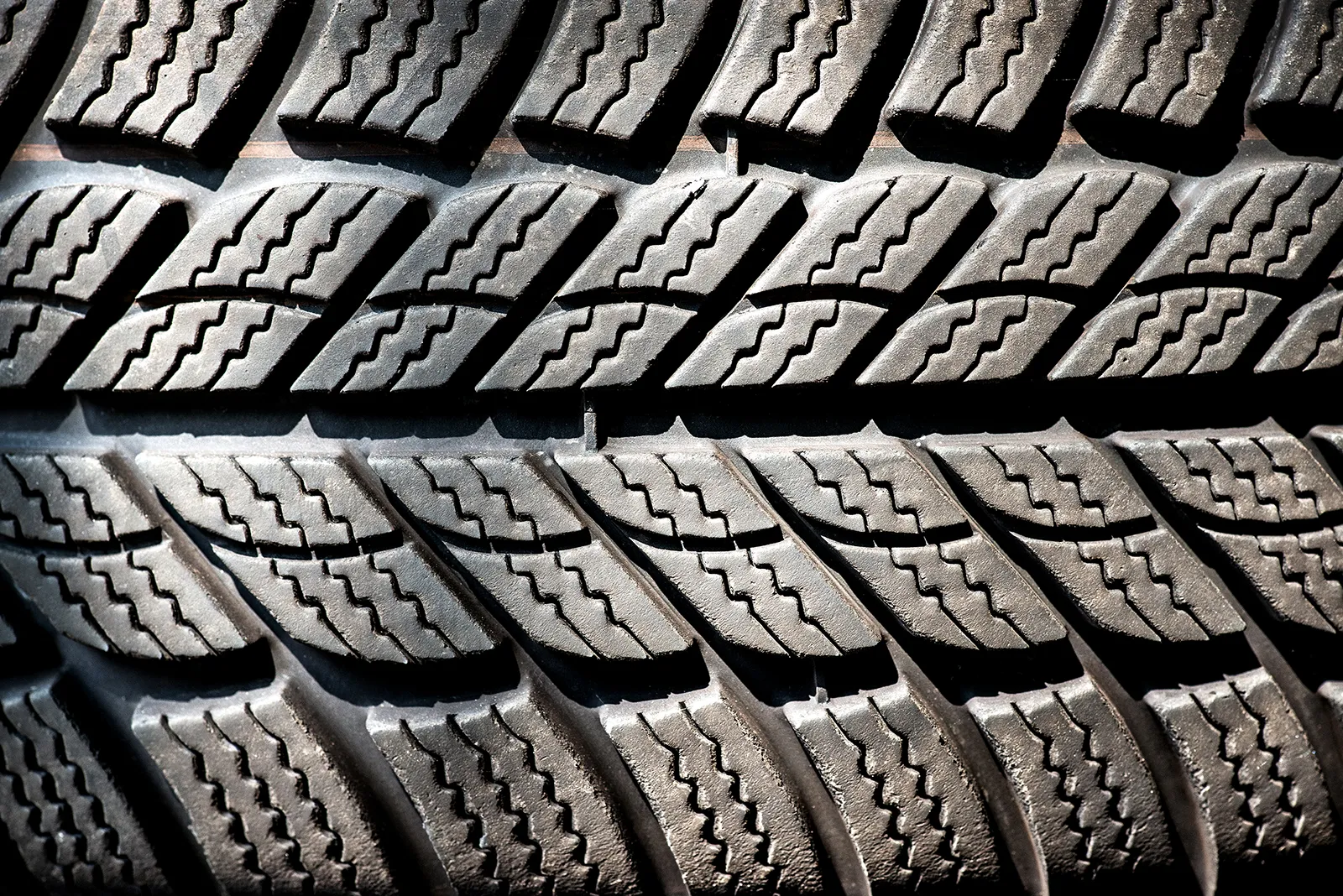
The report highlights a worrying trend: while fewer drivers are running on illegal tyres, far more are pushing their tyres to the limit. Tyres with tread between 1.6mm and 2.0mm — still technically legal, but offering significantly reduced grip, especially in wet conditions — now make up 31.8% of tyres. That’s almost double the 17% seen in 2000.
Add it up, and nearly two in every five vehicles on UK roads are running on tyres that are either illegal or barely safe.
Regional Disparities: A Patchwork of Safety
Tyre safety varies dramatically depending on where you drive:
- East England had the best results, with only 1.8% illegal tyres.
- Scotland also performed well, with just 3.5% illegal tyres nationally — and an exceptional 0.63% in a focused Glasgow study.
- Northern Ireland is facing a severe crisis, with 20.4% illegal tyres in the main survey and 57.3% in a focused local study.
- Halesowen (Central England) recorded an alarming 70.9% illegal tyre rate — the worst ever recorded in UK tyre safety checks.
Major cities also stand out as danger zones. An analysis of six key urban centres (including Sheffield, Bradford, Belfast, and Ashford) found an average illegal tyre rate of 27.2%, far above the national average.
Why This Matters
Tyres below 2.0mm dramatically reduce braking performance, especially on wet roads. Poor tyre condition is a hidden factor in many accidents — increasing the risk for drivers, passengers, and pedestrians alike. It also drives up insurance claims and pressures emergency services.
The report warns that economic pressures, high urban vehicle usage, and reactive maintenance habits (waiting until tyres are almost worn out before replacing them) are fuelling the problem.
What Needs to Happen
The NTDA makes several urgent recommendations:
- Emergency intervention in Halesowen and other hotspots (like Gloucester, Warwick, and Belfast) with illegal tyre rates over 25%.
- Comprehensive support in Northern Ireland, combining enforcement, education, and economic help.
- Cultural change: shifting from reactive to proactive maintenance through awareness campaigns, advisory services, and possibly raising the legal minimum tread depth from 1.6mm to 2.0mm.
- Clear safety targets by 2030, aiming to cut illegal tyres to below 5% and reduce regional disparities.